
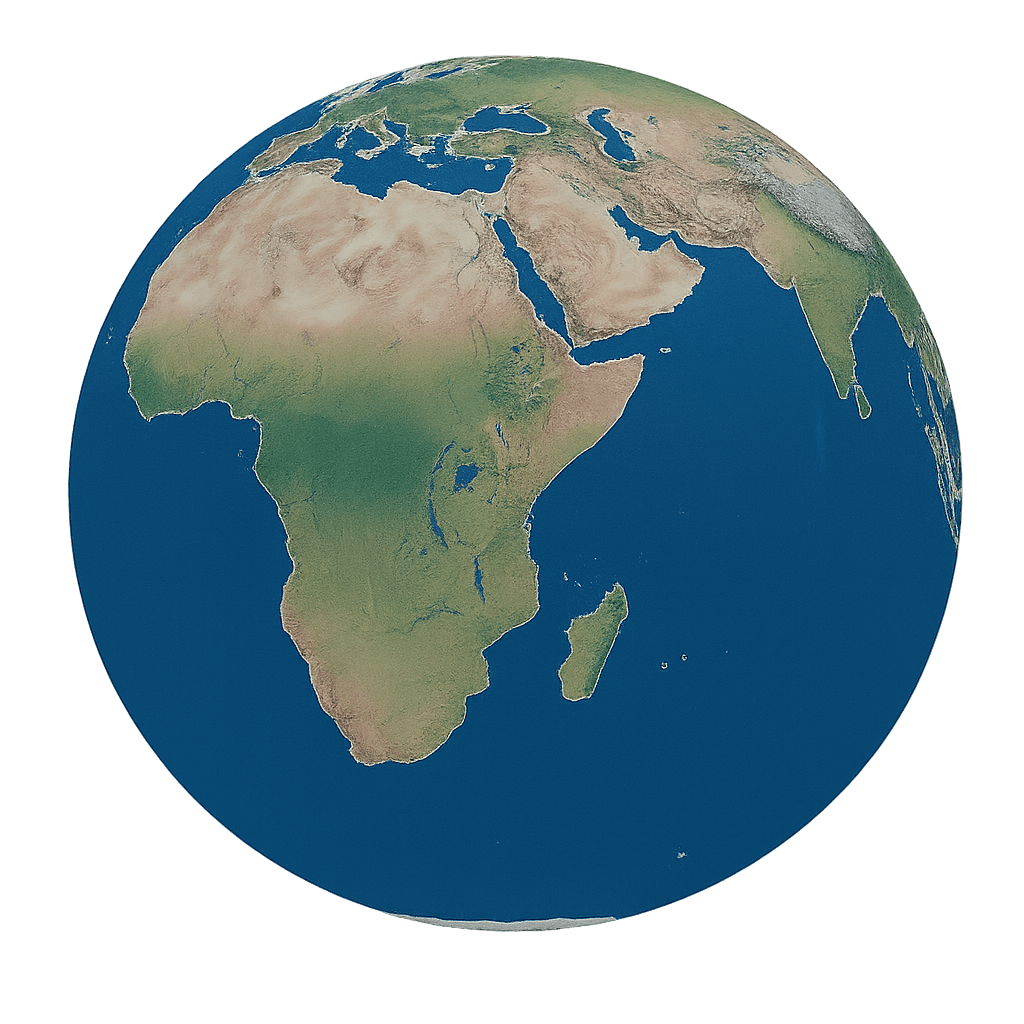
WHY GLOBAL CAPITAL IS PAYING ATTENTION TO NAMIBIA

Angelique Peake, Group Head of Oil & Gas Strategy at RMB Namibia

CEO of RMB Namibia, Daniel Motinga
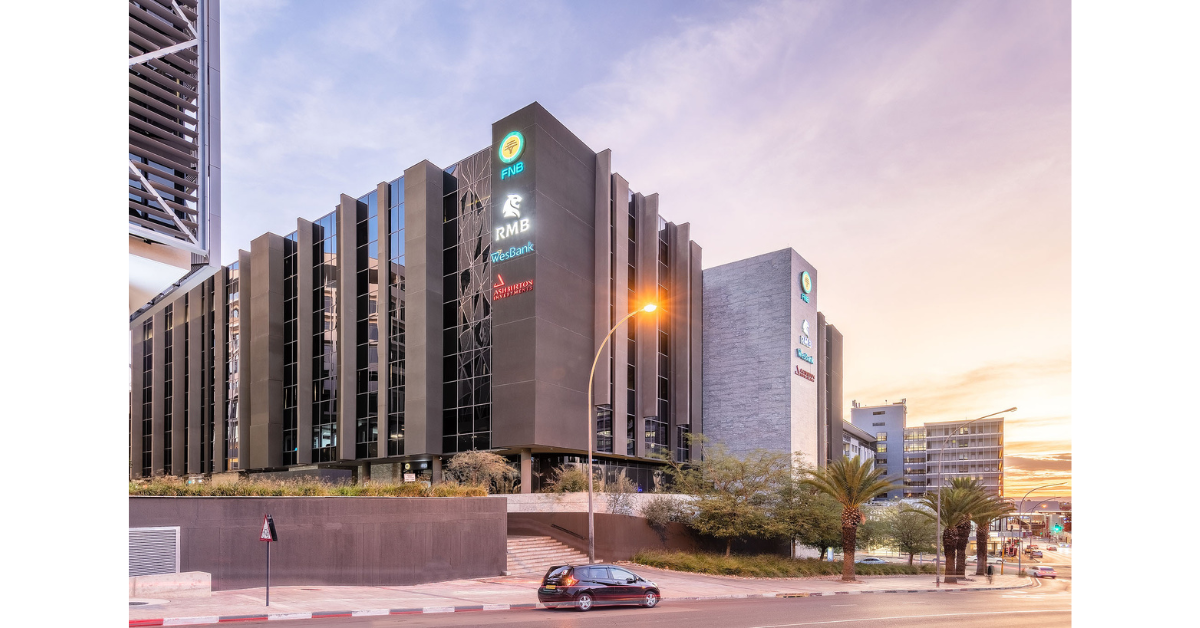
RMB Namibia head office
RMB Namibia Logo
The country's investment story is becoming much bigger than oil.
SINGAPORE, SINGAPORE, September 17, 2026 /EINPresswire.com/ -- Investment stories rarely begin with headlines. They begin when capital starts moving.
As investors search globally for stable jurisdictions, new sources of energy, critical minerals and long-term infrastructure opportunities, Namibia is increasingly appearing on their radar. While global attention remains focused on the country's offshore oil discoveries and the timing of future Final Investment Decisions (FIDs), many investors are already looking beyond the next project milestone.
The more significant story may be what is happening around it.
Recent figures from the Bank of Namibia point to continued foreign direct investment inflows, supported by activity across energy, mining, financial services and related sectors. At the same time, businesses are establishing local operations, forming partnerships and investing ahead of major project sanction decisions. In many respects, capital is beginning to position for a broader economic transformation rather than a single resource opportunity.
Those numbers tell one story. What is happening on the ground tells another.
RMB Namibia notes that international investors are increasingly engaging on these issues. While FID remains an important milestone, sophisticated investors are asking a more fundamental question: what does Namibia look like if multiple industries scale simultaneously?
They want to understand where capital is already flowing, whether infrastructure is keeping pace with opportunity, how local supply chains are evolving and whether today's investment environment can support decades of future growth.
Those answers cannot be found in headlines alone.
"The strongest signals are rarely the announcements themselves," says Angelique Peake, Group Head of Oil & Gas Strategy at RMB Namibia. "They are what companies do before certainty exists. When businesses begin investing ahead of major project decisions, it tells you they have confidence in what comes next."
Across Namibia, those signals are becoming increasingly difficult to ignore.
In Walvis Bay, logistics providers are expanding capacity, port-related infrastructure continues to evolve and shore-base facilities are positioning for increased offshore activity. In Lüderitz, investment is reshaping demand for accommodation, commercial property and support services. International recruitment and specialised service providers have established local footprints, while Namibian businesses are forming partnerships with experienced global operators to build capability ahead of future demand.
Viewed individually, these developments may appear incremental. Collectively, they represent a market beginning to prepare for scale.
"What we're seeing is businesses positioning themselves for an industry that is moving closer to reality," says Peake. "Nobody invests in infrastructure, skills and partnerships for a single opportunity. They're preparing for a market they believe is going to grow."
This is where Namibia's story becomes far more compelling than a conventional oil narrative.
Sophisticated investors rarely assess projects in isolation. They evaluate the environment in which those projects will operate. They look at the quality of institutions, the maturity of supply chains, the availability of skills, the resilience of infrastructure and the likelihood that today's investment will be reinforced by tomorrow's.
By those measures, Namibia is building a compelling investment proposition at a time when investors are becoming increasingly selective about where they allocate capital.
Around the world, governments and businesses are seeking reliable sources of energy, secure supply chains, access to critical minerals and investment destinations supported by political stability and credible institutions. Namibia is increasingly aligning with each of these themes.
Oil and gas development is progressing alongside continued expansion in mining, growing interest in renewable energy and green hydrogen, investment in logistics corridors and industrial infrastructure and increasing demand for supporting services. Rather than competing with one another, these sectors are beginning to reinforce each other, creating opportunities across engineering, fabrication, transport, technology, professional services and trade.
"The conversation is often framed as an oil and gas story," says Peake. "I think it's much bigger than that. We're seeing the emergence of an industrial ecosystem, where investment in one sector creates opportunities across many others."
What increasingly captures investor attention is not simply the resource base but the operating environment around it.
Namibia combines political stability, strong legal institutions, a respected financial sector, a long history of working with international investors and established industrial capability developed through decades of mining activity. In an increasingly uncertain global investment landscape, predictability carries significant value.
Perhaps Namibia's greatest advantage is that it is not building this ecosystem from the ground up.
For decades, mining has helped shape the country's industrial capability. It has developed technical expertise, strengthened regulatory frameworks, supported financial sector growth and created experience in delivering complex, capital-intensive projects alongside international partners. Those foundations now provide an important platform for emerging industries.
"Mining didn't just build an industry," says Peake. "It helped build institutions, technical capability, financial depth and a culture of partnership between government, communities and international investors. Those foundations become incredibly valuable as new sectors begin to scale."
For international investors, success in Namibia will depend on more than identifying attractive projects. It will require understanding how regulation, infrastructure, financing, partnerships and local capability intersect to support long-term development. It also requires recognising that many of the most valuable opportunities may sit beyond the resource itself, within the supply chains, industrial services and supporting sectors that enable growth.
"We're seeing increasing interest from international companies looking for local partners," says Peake. "Namibia is a relatively small market with strong institutions and well-established relationships. Investors who engage early, understand the operating environment and build the right partnerships are often far better positioned to navigate the market successfully."
For many investors, the question is no longer whether Namibia will attract international capital, but where the most attractive entry points will emerge across the broader value chain.
The broader perspective underpins the bank’s approach to supporting international clients. In addition to financing, RMB Namibia assists investors in understanding local market dynamics, forging strategic partnerships and navigating an operating environment that continues to evolve.
The most significant opportunities are rarely obvious at the point of maximum attention.
In Namibia, many investors are beginning to recognise that the story is no longer only about hydrocarbons beneath the seabed. It is increasingly about the industries, infrastructure, partnerships and capability being built around them.
Those who understand that distinction may be the ones best positioned to participate in Namibia's next decade of growth.
ENDS//
For more information contact:
Kirsty Watermeyer
Group Head of Communications
Kirsty.Watermeyer@fnbnamibia.com.na
John Smith
World Business Outlook
+ + +65 8615 9608
email us here
Visit us on social media:
LinkedIn
Instagram
Facebook
YouTube
X
Legal Disclaimer:
EIN Presswire provides this news content "as is" without warranty of any kind. We do not accept any responsibility or liability for the accuracy, content, images, videos, licenses, completeness, legality, or reliability of the information contained in this article. If you have any complaints or copyright issues related to this article, kindly contact the author above.
